


25 Oct
Hold and Win Feature in Dragon Tiger Game: How It Plays Out
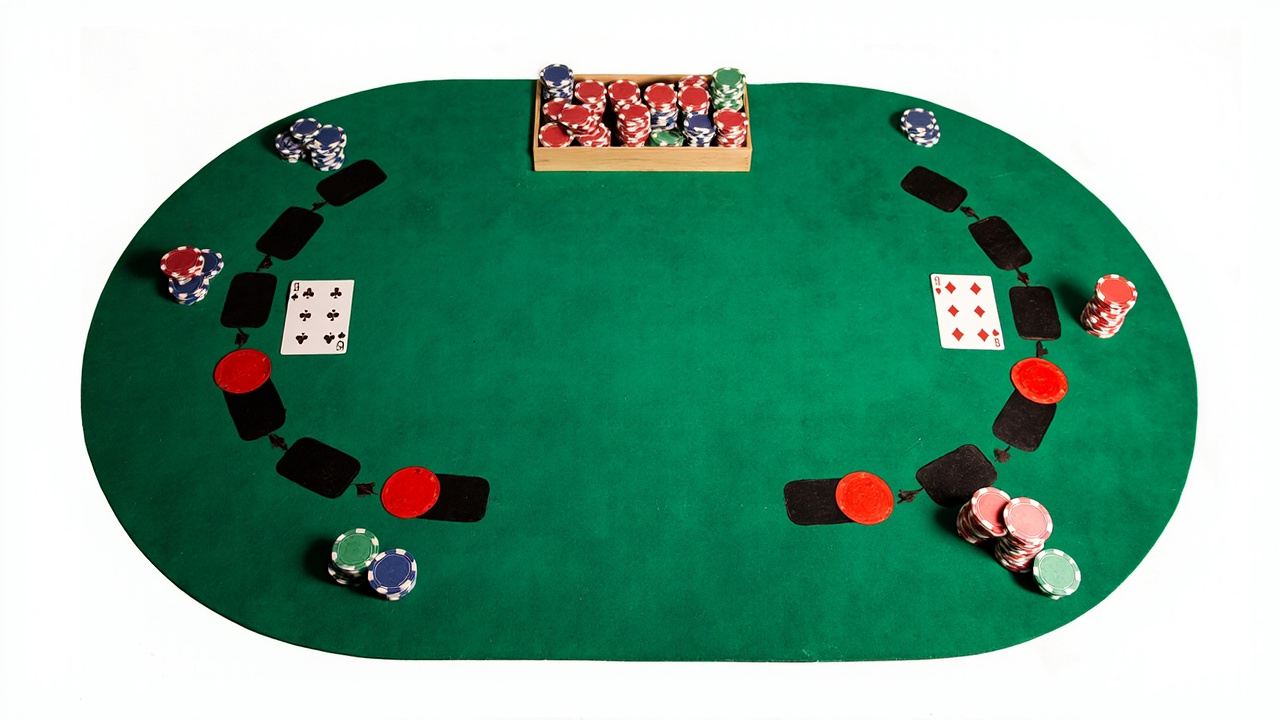
Most Australians who sit down with Dragon Tiger want a clean table and a quick read on the cards, not a maze of pop-ups. When a hold and win feature in dragon tiger game shows up, it usually changes the pace more than the odds, so it helps to know exactly where it sits and what it asks of you. I have spent years steering VIP relationships at Easygo, and that work teaches you the same lesson I keep bringing back to the floor: a bonus mechanic only earns loyalty when the player can predict how it interrupts a session. You can grab a levelup bonus no deposit if you want a small buffer before you test the feature on your phone, but the real test is whether the table still feels readable when the hold window opens.
Reading the Hold Window on Mobile
A practical run-through starts the moment you tap the table on a browser or app and notice the hold prompt sitting near the bet slip. On a decent mobile setup, the card layout stays sharp, the deal animation keeps its rhythm, and the hold button does not shove the wager controls off-screen. I judge this the same way I judge a loyalty tier at Easygo: if a member has to hunt for the next step, the relationship frays before the first payout lands. The hold and win feature in dragon tiger game works best when the timer is visible, the qualifying stake is plain, and the win credit drops into a separate pocket you can track without leaving the table. A few things tend to separate a tidy mobile read from a clunky one:
Beyond the initial tap, the system smoothly guides you through each reel spin, keeping the interface responsive even when multiple bonuses stack. For a deeper look at how these mechanics hold up under real wagering conditions, you can check the detailed breakdown at free spins wagering guide. The final payout screen then renders just as cleanly, preserving the same crisp typography and uncluttered control placement you noticed at the start.
- the hold trigger appears before you commit, not after the cards flip levelup bonus no deposit
- the win balance sits in its own line rather than mixing with the main pot
- the deal speed stays consistent when the feature is idle
- the navigation around the bet slip does not shift when a hold round starts
If the screen feels cramped, the feature still works, but you are doing more tapping and less reading, which is exactly the moment a session turns fiddly. A Newcastle player I spoke with last arvo summed it up neatly: the table felt busy as a Friday night until the hold prompt showed up, and then the whole thing got clearer because the extra credit had its own lane. That is the kind of clarity that keeps people coming back, because they can plan a stop point instead of guessing.
How the Hold Credits Build and Pay Out
Once you are in the feature, the practical question is how the hold credits stack and what they ask of your next hand. In the setup I am describing, the hold side pocket fills with a small credit that carries across a short run of deals, and the win side pays when the Dragon or Tiger side hits a set condition during that run. The numbers stay modest by this link design, because a high-value table that overpromises on a side feature tends to burn through attention fast. I have seen the same pattern in player retention work: a loyalty reward that arrives in predictable chunks builds more trust than a flashy one-off that leaves people chasing the next trigger. Payments in this model usually sit in AUD, the registration flow asks for the usual identity checks, and support stays reachable through the same mobile menu you used to place the bet. If you want a parallel on how a feature can tip a session into chaos, The Hangover (2009) sends its characters into Las Vegas chaos, and the lesson carries over: a side mechanic only helps when it does not scramble the main read of the table. The hold and win feature in dragon tiger game stays useful when the credit trail is visible, the stake requirement is clear, and the payout moment does not feel like a separate game hiding inside the table.
Where Retention Meets the Feature
Retention around a side feature usually comes down to whether the table still feels like the same game after the hold round ends. I measure that the way I measure a good VIP relationship: the player should leave with a clearer sense of what happened, not a pile of vague promises. Greyhound welfare reforms reshaped the industry in several states, and that kind of structural change is a useful comparison, because it shows what happens when a rule shift actually changes behaviour on the ground rather than just adding a new sign on the wall. For a mobile player, the best sign is simple: the same navigation, the same card read, and a hold credit that either adds a small buffer or disappears without turning the table into a puzzle. If you want to see how a different side feature plays on a phone, you can read a neighbour piece on bet on free spins in Chicken Road 2 before you settle back into Dragon Tiger, because the comparison helps you spot which prompts are readable and which ones just add noise. A hold and win feature in dragon tiger game earns its place when it respects the pace of the main table and leaves the player with a decision they can actually make.

What do you reckon – does a hold side pocket make a Dragon Tiger session feel more manageable, or does it just clutter the read when you are trying to keep things simple?
Sorry, the comment form is closed at this time.