


10 Sep Lower Floor Hideaway Book of Slots Privacy in UK Homes
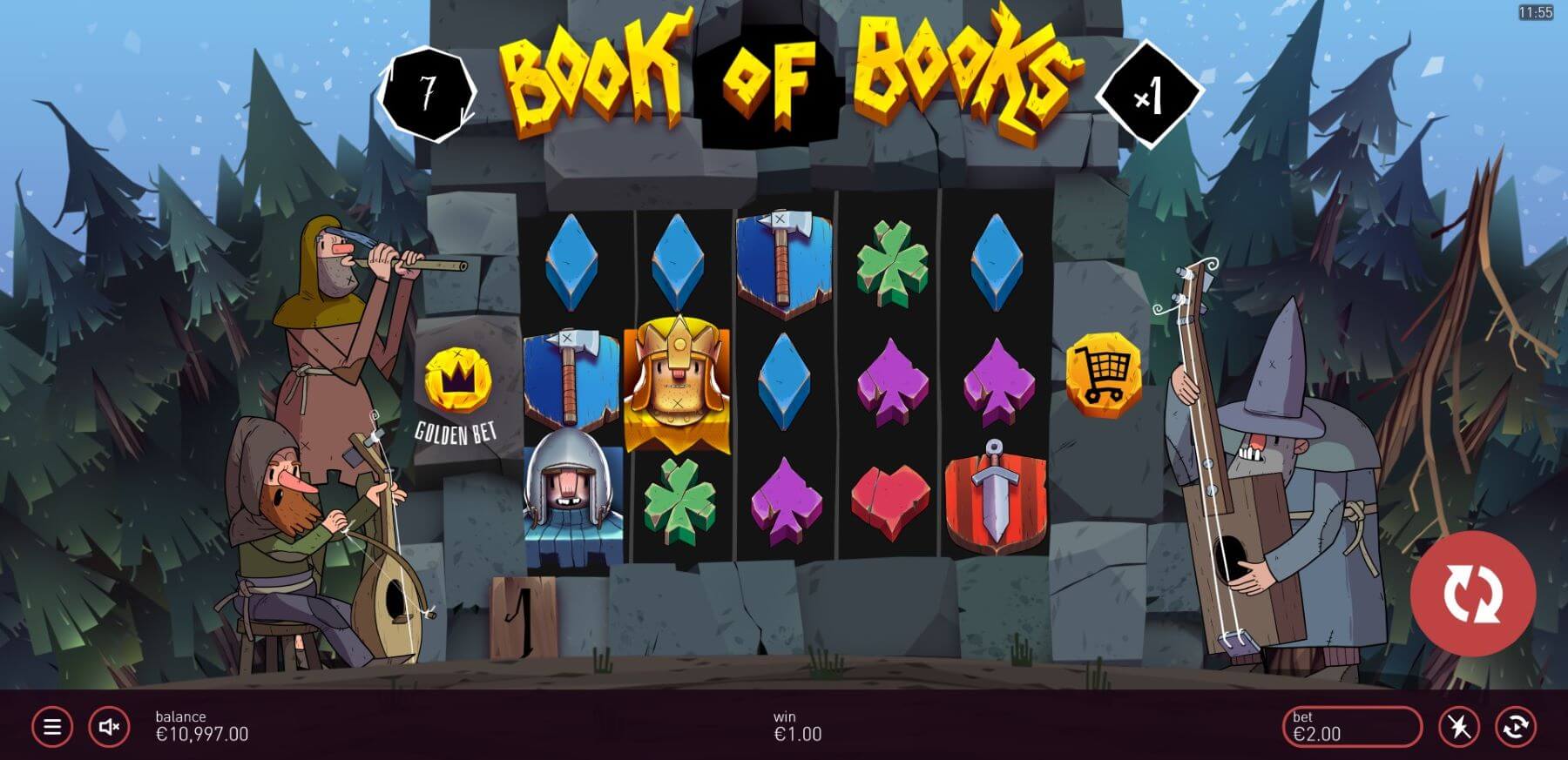
For many across the UK, the perfect gaming session is a calm escape situated at home. Setting up a dedicated spot for playing Book of Slots goes beyond comfort. It’s about creating a confidential, secure environment where you can zero in on the adventure. This guide walks through practical steps to transform a basement, spare room, or quiet corner into your own gaming retreat. The objective is to maintain your leisure time individual and peaceful.
Balancing Gaming with Home Dynamics
A personal hideaway exists within a wider household. Open communication ensures this balance work. Share your gaming schedule with family or housemates. You could agree on designated ‘quiet hours’ for your sessions. This sets clear expectations and minimizes interruptions, so your time is valued. Also, be aware of volume from your space. Using a headset stops noise from disturbing others.
Balance your own time too. Set clear boundaries for yourself. Use an alarm clock or the game’s timer feature to ensure your immersive escape doesn’t eat into family time or responsibilities. A healthy gaming habit is one you can sustain. Part of that sustainability is preserving harmony in your shared home. A polite “Do Not Disturb” sign on the door often does wonders.
Preserving Digital Privacy and Security
Building a physical retreat is one thing. You also need to strengthen your digital defences. Your home gaming hideaway should be the most protected place to access your Book of Slots account. Always log out of shared devices and lock your personal device with a strong password or fingerprint scan. Be vigilant about the sites you visit. Only ever play on legitimate, licensed platforms you know and trust.
Always use a secure, private Wi-Fi connection. Never game or make transactions on public networks. At home, set a secure password for your router. You might even create a separate guest network for visitors. Keep your device’s operating system and antivirus software updated. These habits, formed in your private space, build a strong defence against common online threats. They keep your personal and financial details secure.
Designing Your Basement Hideaway for Focus
A basement offers a great gaming hideaway, since it’s inherently separate from the main household. Set up this space for focus and comfort. Begin with lighting. Adjustable, warm lights help cut down on eye strain during long sessions. Look into blackout blinds for any small windows to prevent screen glare. Even simple acoustic touches like rugs and soft furnishings soak up sound. This transforms your space into a quiet cocoon and prevents game noises from disturbing others.
Never compromise on ergonomics. Buy a supportive chair and position your monitor at eye level. This isn’t a luxury—it’s a necessity. It allows you to play for longer without an aching back or neck. Lastly, add personal touches. A themed poster, your favourite mug for tea, or a dedicated shelf for your router all give a signal to your brain. It’s time to unwind and play the reels Try Your Luck At Book Of Slots.
Essential Tech Setup for Uninterrupted Play
Reliable technology is what makes your hideaway works. Start off with a strong, stable internet connection. If you can, use a wired Ethernet cable directly to your gaming device. It’s more dependable than Wi-Fi, particularly in basements. Confirm your device, be it a PC, laptop, or tablet, has enough power to run games smoothly. Lag in the middle of a free spins round can wreck the moment.
Your gaming peripherals matter also. A decent headset enhances the game’s atmosphere while keeping your session private. A comfortable mouse with a responsive grip improves control. Also, make sure you have sufficient power sockets with surge protection for all your gear. Getting this essential foundation right strips away technical headaches. You can then concentrate entirely on the game.
Furnishings and Arrangement Tips for Small Spaces
The majority of basements or spare rooms aren’t huge. For smaller areas, smart furniture choices are key. Select a compact, wall-mounted desk to free up floor space. Use the walls—install shelves or organisers for accessories, notebooks, or chargers. A fold-down desk or a cosy corner unit can establish a gaming station that doesn’t dominate the room. The space can then perform other purposes when you’re not playing.
Set up the layout around one basic idea: make the gaming station the main feature. Place your desk and chair first, leaving enough room to move comfortably. Then place any extra seating or storage around it. Colouring walls and furniture in light colours makes the area feel more open and spacious. The goal is to create a defined zone that feels deliberate and separate, even within a small footprint.
FAQs: Your Book of Slots Hideaway Questions Answered
Is it expensive to create a gaming hideaway?
It doesn’t have to be. The greatest part about a personal hideaway is you can create it piece by piece. Start with the basics: a comfortable chair, a solid desk, and the device you already own. Many effective improvements cost very little. Improved cable management, modified lighting, and DIY soundproofing are low-budget projects. Focus first on creating a practical, private space. You can always add fancier upgrades later, when your budget allows.
How can I stop my internet from lagging in the basement?
Basements often suffer from weak Wi-Fi because of thick walls and floors. The most trustworthy solution is to run an Ethernet cable from your router directly to your device. If that’s not possible, try a Powerline adapter. It delivers the internet signal through your home’s electrical wiring. Another alternative is a quality Wi-Fi mesh system, placing one of the nodes nearer your basement to boost the signal.
What’s considered the most important item for a comfortable setup?
Technology is crucial, but the single most important purchase is an ergonomic chair. You’ll spend hours exploring the Book of Slots adventure. Proper support for your back and neck prevents fatigue and discomfort. This makes your gaming sessions actually pleasurable and something you can keep doing long-term. Everything else in your setup is based on this foundation of physical comfort.
Why Privacy Matters for Your Home Gaming Sessions
A session with Book of Slots provides more than amusement. It’s a moment for engagement, to become engrossed in ancient mysteries and bonus rounds without interruptions. Privacy makes this possible. It permits deeper concentration, which helps with gameplay decisions and following the story. A private space also protects your leisure time, drawing a line between daily chores and real rest.
In UK homes, where living areas are often compact, carving out this personal zone is especially useful. This is not about being hidden. It’s about developing a steady, controlled environment. That feeling of control extends to your digital habits too. A private physical space promotes more careful habits with device security and account logins. This contributes a quiet but robust layer to your overall method to safe, enjoyable online gaming.
Noise reduction and Secrecy on a Shoestring
You don’t need a professional studio to manage sound. Numerous cheap solutions enhance discretion. Putting up heavy curtains or moving blankets on walls soaks up a lot of noise. Close the gap under your door with a simple draught excluder to prevent sound leaking out. Lay thick rugs on hard floors and place plush cushions to seats. These steps reduce noise, creating a quieter space for you and everyone else.
For the sound itself, a decent headset is your best friend. It sends all game audio straight into your ears. If you choose speakers, position them on a soft surface and direct them inward, away from walls shared with other rooms. Even clever furniture placement helps. A large bookshelf loaded with books against a shared wall functions as an effective, cheap sound barrier. Check out a few affordable ideas to start with:
- Attach acoustic foam panels or egg cartons to the walls (for a DIY approach).
- Layer rugs or employ a thick underlay beneath your main rug.
- Install a solid-core door or attach a door sweep to your existing door.
- Employ bookshelves and soft furnishings as natural sound absorbers.
Sorry, the comment form is closed at this time.