


31 Oct Reading the fine print on 3d pokies house edge and odds
There’s a particular kind of silence that falls over a Brisbane pub when the pokies start humming, a low electric buzz that settles into the floorboards and seems to pull every conversation toward the nearest cabinet. Most punters treat those machines like a Saturday arvo pastime, a bit of fun with a tenner tucked in the pocket, but the maths underneath the bright screens tells a much sterner story. The 3d pokies house edge and odds are never hidden, just dressed up in neon and sound effects that make the numbers feel distant. When you sit down at any machine, whether it’s a downtown club or a regional club outside the city, you’re effectively agreeing to a set of probabilities that favour the operator every single spin. That’s not a conspiracy, just the architecture of the game, and understanding it changes how you sit at the machine.
What the house edge actually means for your wallet

The house edge is the mathematical advantage baked into every game, expressed as a percentage of each wager the operator expects to keep over time. On a typical video slot, that edge can sit anywhere from two to ten per cent, depending on the game’s design and the jurisdiction’s minimums. In Australia, state-level regulations set different floors for return-to-player percentages, which means a machine licensed in one jurisdiction might return a different share of wagers than one across a state border. The 3d pokies house edge and odds are declared in the game’s paytable or information screen, but most players never scroll past the bonus symbols to find it. James Wilson, Head of Operator Partnerships at Federation Betting Insights, puts it plainly: the edge isn’t a hidden trap, it’s a published figure that tells you exactly how much of your stake the game keeps on average. Treat it like the price of a ticket to a game of chance, not a secret the operator is trying to conceal.
- Check the paytable or info screen before playing to find the published return-to-player percentage
- Compare the stated edge across different titles rather than assuming every machine runs the same maths European And American Roulette House Edge
- Treat the house edge as the average cost per spin over time, not a prediction for any single session
How 3d pokies odds differ from table games and bingo
The odds on a 3d pokie are built from a random number generator that decides each outcome independently, which means past spins have no memory and no influence on what comes next. That independence is fundamentally different from games where cards are dealt from a finite deck or balls land in numbered pockets. On a roulette wheel, for instance, the presence of a double zero in the American version adds a clear extra layer of disadvantage compared with the single-zero European layout, and anyone weighing table options can read the full breakdown in our piece on European And American Roulette House Edge Explained. Pokies don’t work that way; every spin is a fresh draw from the same probability distribution, and the visual polish of a 3d game doesn’t alter the underlying odds one bit. Henry Carter, Gaming Technology Consultant at Coastal Wager Research, notes that players sometimes mistake animated bonus rounds for better odds, when in reality the feature is just a different presentation of the same random engine. A full house in bingo means every number royalreelscom-casino.net on the card is marked, which is a concrete milestone in a game of marking and matching, but a pokie has no equivalent milestone because each spin stands alone.
Where responsible-play tools fit into the odds conversation
Responsible-play tools don’t change the odds, but they do change how a session fits into a player’s life, and that distinction matters more than most marketing suggests. Deposit limits, session timers, and reality checks are account-level controls that sit outside the game maths entirely, which means they can’t tilt the edge in your favour but can keep a losing streak from drifting into a larger problem. In Australia, licensed operators are required to offer these safeguards, and the state-level differences in how they’re enforced can affect how easy they are to set up on mobile. Henry Carter also points out that mobile betting habits have shifted the rhythm of play, with shorter sessions on a phone screen often feeling less deliberate than sitting at a terminal. Isla Parker, Head of Product at the Pacific Player Protection Institute, argues that the most useful safeguard is a pre-set limit entered before the first spin, because once the reels are turning, the impulse to chase a near-miss becomes much harder to manage. None of these tools guarantee a win or a safe session, but they do give you a clearer boundary around the money you’ve chosen to risk.https://winspirit-bonuscodes.com
Choosing games that match your play style and budget
Matching a game to your own habits is less about chasing the highest return-to-player figure and more about finding a pace that fits how you actually want to spend an evening. Some players prefer slower, lower-volatility titles that pay smaller amounts more frequently, while others are comfortable with the wider swings of a high-volatility game that might go long without a notable payout. The 3d pokies house edge and odds should inform that choice, because a game with a slightly better published edge still won’t rescue a session that runs longer than your budget allows. If you’re playing on mobile, the same maths apply, and the convenience of a phone screen can make it easier to lose track of time, so setting a hard stop before you start is worth more than any advertised bonus feature. Resplitting aces is a rare, favourable rule for players in certain blackjack variants, which shows how a single rule change can shift an edge, but pokies don’t offer that kind of rule tweak because their outcomes are fixed by the game design rather than by table decisions. The practical move is to pick a title whose volatility and pace suit your bankroll, check the published edge, and treat the session as entertainment with a pre-agreed cost.
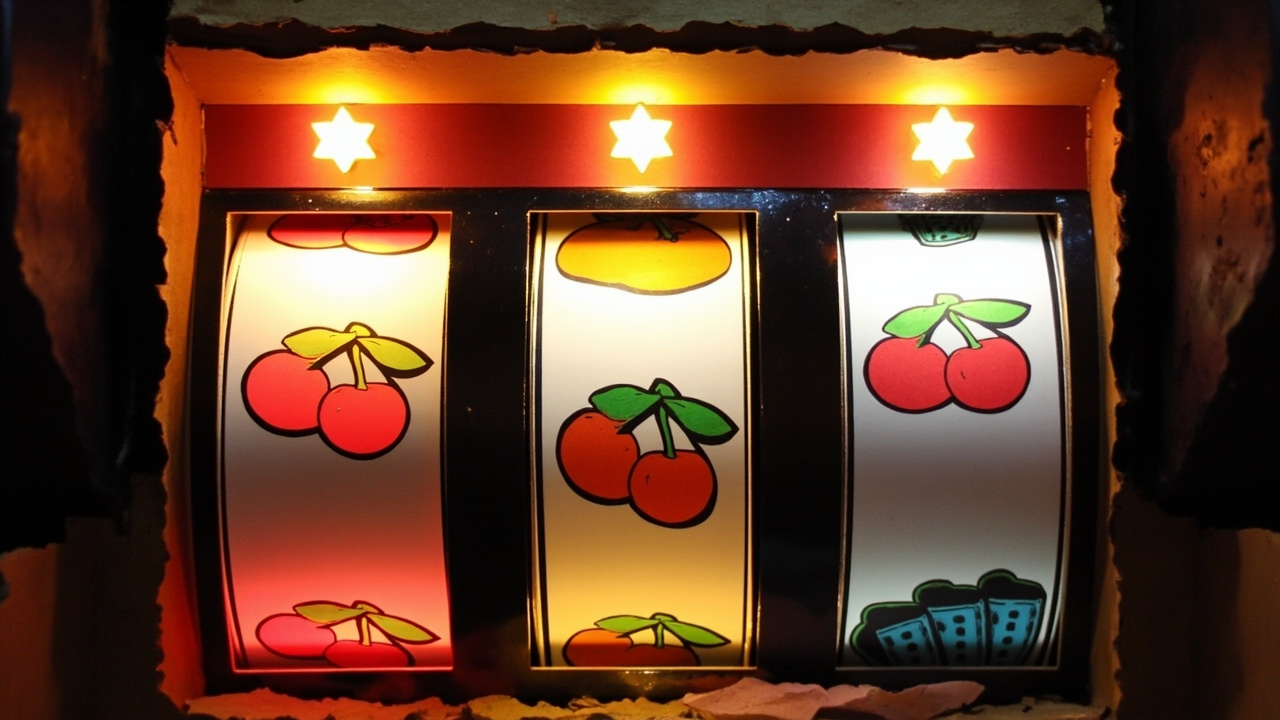
The smartest approach to any machine is to treat the published edge as a price tag, not a promise, and to decide your session limit before the first spin rather than after the reels start turning.
Sorry, the comment form is closed at this time.